
Table of Contents
- Benefits of Silicone Baby Feeding Sets Every Parent Should Know
- Silicone vs Plastic: Microplastics, Safety and Long-Term Value
- The Real Drawbacks of Silicone Feeding Sets (Cons Worth Knowing)
- How to Start Baby Led Weaning with a Silicone Feeding Set
- How to Clean Silicone Baby Bowls and Keep Sets Looking New
- Which Silicone Feeding Set Should You Choose?
- Eco-Friendly and Sustainable: The Environmental Case for Silicone
- Conclusion
Last Updated: August 19, 2026
Benefits of Silicone Baby Feeding Sets Every Parent Should Know
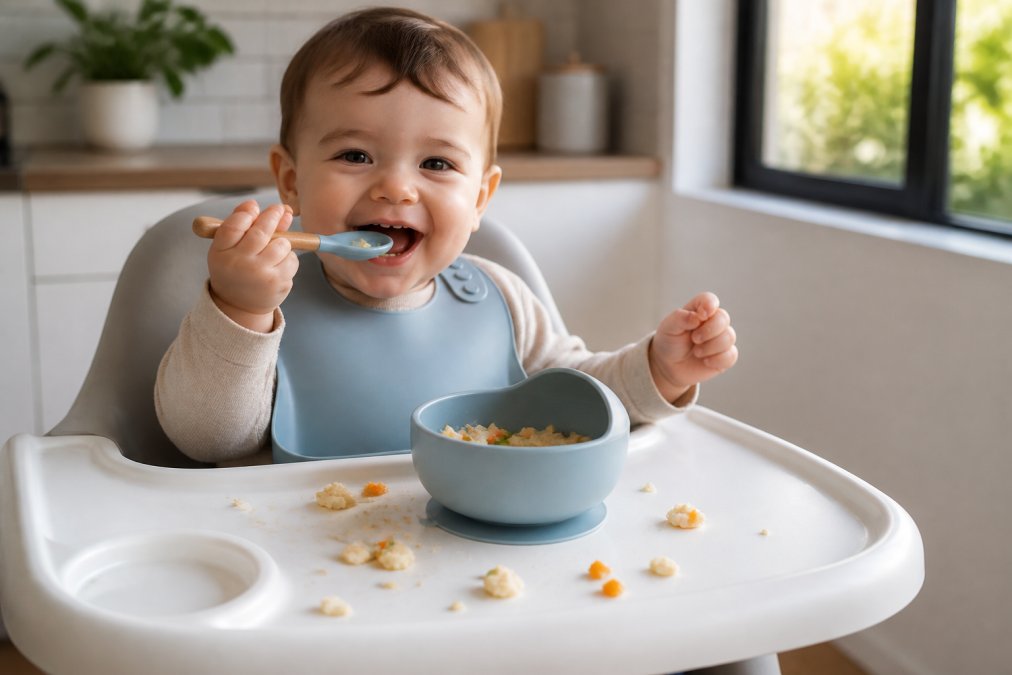
Silicone feeding sets are purpose-built feeding tools made from food-grade silicone that is free from BPA, PVC, and phthalates, designed to make mealtimes safer and less chaotic for families with young children. Suction plates and bowls stay put on smooth highchair trays, reducing spills. Silicone bibs catch spills without absorbing them. Ergonomic spoons flex gently against tender gums. Together, these features make self-feeding less stressful for both parent and child.
Safety and Non-Toxic Materials
Food-grade silicone is hypoallergenic and non-porous, meaning it does not harbour bacterial growth the way scratched plastic surfaces can. BPA-free, phthalate-free, and PVC-free materials carry a meaningful safety advantage: these compounds have been flagged by researchers as potential endocrine disruptors, and removing them from items that go directly into a baby's mouth is a straightforward risk-reduction measure.
According to Food Standards Australia New Zealand guidance on food contact materials, materials that contact food must not transfer substances to food in quantities that could endanger human health. High-quality food-grade silicone meets this standard comfortably.
Heat resistance is another practical safety feature. Silicone withstands extreme temperature changes, from freezer-cold purees to microwave-warmed meals, without leaching chemicals or warping.
Durability, Flexibility and Shatterproof Design
Plastic bowls crack. Ceramic plates shatter. Silicone does neither. The flexible, shatterproof nature of silicone means a bowl thrown from a highchair tray simply bounces. Over months of daily use, that resilience adds up to real long-term value. A set that survives a toddler's throwing phase without cracking, staining, or losing its suction base is genuinely worth more than a cheaper alternative replaced every few months.
The soft texture of silicone also matters during teething. Babies learning to use a spoon often chew the handle or bowl edge. A silicone spoon that flexes under that pressure is far gentler on sore gums than a rigid plastic one.
Silicone vs Plastic: Microplastics, Safety and Long-Term Value
Research from CSIRO's microplastics research program has established that plastic products, particularly when heated, scratched, or washed repeatedly, can shed microscopic plastic particles. Babies and toddlers are especially vulnerable because they mouth objects constantly and consume warm foods directly from plastic containers.
Silicone does not behave the same way. Because it is non-porous and structurally stable across temperature ranges, it does not shed particles into food under normal use conditions. This is the core material science difference that justifies the price premium over plastic alternatives.
A quality silicone feeding set costs more upfront than a basic plastic set, but silicone sets last considerably longer, do not warp in the dishwasher, and carry none of the microplastic risk. For parents planning more than one child, a durable silicone set may serve a second or third child without degrading.

Feature |
Silicone Feeding Sets |
Standard Plastic Sets |
|---|---|---|
BPA / phthalate-free |
Yes |
Varies by product |
Microplastic shedding risk |
Very low |
Higher, especially when heated |
Shatterproof |
Yes |
No |
Dishwasher safe |
Yes |
Often warps over time |
Lifespan |
Multi-year |
Shorter, degrades with use |
Stain resistance |
High |
Low to moderate |
Eco-friendly disposal |
Better (inorganic breakdown) |
Poor (petroleum-based waste) |
The long-term value case for silicone is clear.
The Real Drawbacks of Silicone Feeding Sets (Cons Worth Knowing)
Silicone has genuine limitations that parents deserve to know before buying. The first is odour absorption. Strongly scented foods like garlic, curry, or tomato-based sauces can leave a faint smell if the set is not rinsed promptly after meals. Rinsing within 30 minutes of use prevents most of this.
Staining is a related concern. Turmeric, carrot puree, and tomato sauce can leave a yellow or orange tint on lighter-coloured silicone. The stain does not indicate contamination, but choosing darker coloured sets or rinsing immediately after serving orange and red foods minimises this.
The suction base works best on smooth, flat, dry surfaces. Textured highchair trays, wet surfaces, or trays with raised patterns will reduce suction significantly. This is a setup issue, not a product defect, but it catches parents off guard.
Finally, silicone is not infinitely eco-friendly. It is more durable than plastic and breaks down into inorganic components if incinerated rather than leaving persistent microplastics, but it is not biodegradable in a landfill environment. The environmental case for silicone rests on longevity and reduced plastic waste, not on end-of-life decomposition.
How to Start Baby Led Weaning with a Silicone Feeding Set
Baby-led weaning is the practice of introducing solid foods by offering soft, appropriately sized finger foods directly to the baby, allowing them to self-feed from the beginning rather than relying solely on purees and spoon-feeding. A well-chosen silicone feeding set supports this approach from the first meal.
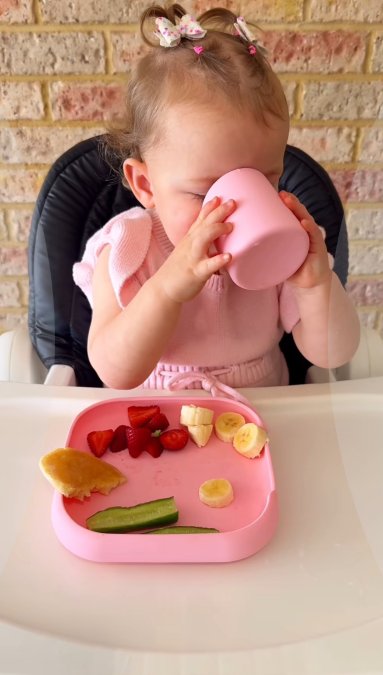
Junior Set - silicone plate and cup for older toddlers
The suction base on a silicone plate or bowl is particularly valuable during baby-led weaning because babies push, pull, and grab at everything on their tray. A plate that stays put means the food stays accessible rather than ending up on the floor. A silicone bib with a deep catch pocket reduces the amount of food that reaches clothes.
Start simple. One bowl, one soft spoon, and a bib is enough for the first few weeks. Introduce the suction plate once your baby is sitting confidently and showing interest in picking up pieces of food independently.
Age-Based Usage: What to Introduce and When
Getting the timing right makes a real difference to how smoothly solids go.
Age Range |
Recommended Items |
What to Focus On |
|---|---|---|
4-6 months |
Soft silicone spoon only |
Purees, getting used to spoon texture |
6-8 months |
Suction bowl, spoon, bib |
Thicker purees, early self-feeding attempts |
8-12 months |
Suction plate, ergonomic spoon, fork, sippy cup |
Soft finger foods, baby-led weaning begins properly |
12 months+ |
Full set including snack cup |
Independent eating, mixed textures, toddler meals |
The Australian Government's infant feeding guidelines from the National Health and Medical Research Council recommend exclusive breastfeeding to around six months, with solids introduced alongside continued breastfeeding. Always follow your child health nurse's advice for your individual baby.
A common mistake is introducing too many pieces at once. One or two items of food on a suction plate is enough. Overloading the tray overwhelms young babies and makes it harder for them to focus on the self-feeding skill they are trying to develop.
How to Clean Silicone Baby Bowls and Keep Sets Looking New
All food-grade silicone pieces from a quality set are dishwasher safe. Top rack placement is recommended to avoid prolonged direct heat from the heating element. For hand-washing, warm soapy water and a soft cloth is all that is needed. Because silicone is non-porous, food does not bond to the surface the way it does with textured plastic.
For stubborn staining from turmeric or tomato, a paste of bicarbonate of soda and water left on the surface for 15-20 minutes before rinsing will lift most discolouration without damaging the material. Avoid bleach-based cleaners, as these can degrade the silicone surface over time.
The sippy cup requires the most attention. Detach the inner silicone straw and the lid separately and wash each component individually. Food residue in a straw that is not cleaned thoroughly is the most common hygiene issue with silicone feeding sets, and it is entirely avoidable with a 30-second disassembly routine after each use.
Which Silicone Feeding Set Should You Choose?
The right silicone feeding set depends on where your baby is in their feeding development and how much of the mealtime routine you want covered in one purchase.
For families just starting solids, the Bub and Co My First Solid Bundle at $60.00 is the most complete starting point. It includes the Pagi Kids Feeding Set, a non-grid suction plate with a strong suction base, a silicone cloud placemat to protect the table surface, and a Sip and Snack Cup that doubles as a drink cup and snack container.

The Pagi Kids Feeding Set at $39.95 includes a pocket bib with reinforced eyelets, a suction bowl with a curved interior designed to help babies scoop food, an ergonomic spoon, and a leakproof sippy cup with a detachable inner straw.
For families with older toddlers who are already confident self-feeders, the Junior Set at $44.95 includes a suction plate, suction bowl, cup, and spoon in a toddler-appropriate size. The Ultimate Set at $44.95 adds a plate with lid, making it useful for packed lunches and on-the-go meals.

Set |
Price |
Best For |
Includes |
|---|---|---|---|
My First Solid Bundle |
$60.00 |
Starting solids (4-8 months) |
Pagi set, suction plate, placemat, snack cup |
$39.95 |
Core daily feeding items |
Bib, bowl, spoon, sippy cup |
|
Junior Set |
$44.95 |
Confident toddler self-feeders |
Suction plate, bowl, cup, spoon |
$44.95 |
Full mealtime kit with lid |
Plate with lid, bowl, bib, spoon, fork |
Eco-Friendly and Sustainable: The Environmental Case for Silicone
Silicone is derived from silica, a compound found abundantly in sand. Manufacturing it requires less petroleum than conventional plastic, and it does not shed microplastics into waterways or food during its use life. When silicone products are incinerated at end of life, they break down into amorphous silica, carbon dioxide, and water vapour rather than the persistent toxic residues left by petroleum-based plastics.
The limitation is disposal. Silicone is not biodegradable in a landfill and is not accepted by most kerbside recycling programs. The sustainable choice is to buy a durable set that lasts long enough to be used across multiple children or passed on, rather than replacing cheap sets frequently. A silicone feeding set that serves two children over three years generates far less waste than four rounds of plastic tableware covering the same period.
According to Planet Ark's guide to sustainable purchasing decisions, the most environmentally responsible consumer choice is often the durable one, not necessarily the one marketed as "eco-friendly." Longevity reduces production demand and keeps products out of landfill longer.
The honest sustainability case for silicone feeding sets rests on durability, not on end-of-life decomposition. Buy once, buy well, and the environmental maths works in your favour.
Choosing the right feeding set is one of those decisions that feels small but shapes dozens of daily interactions with your baby over months and years. For most families, silicone feeding sets are worth it, particularly when the alternative is replacing cheaper plastic sets repeatedly or accepting the microplastic risk that comes with heated plastic tableware. Bub and Co's range of food-grade, BPA-free, phthalate-free silicone feeding sets is designed specifically for this stage of parenting, with stain-resistant materials, dishwasher-safe construction, and suction bases that actually hold. Explore the full range and find the set that fits your baby's stage at Bub and Co.
Frequently Asked Questions
Are silicone feeding sets BPA-free and safe for babies?
High-quality silicone feeding sets made from food-grade silicone are free from BPA, PVC and phthalates, making them a safer choice than many conventional plastics. Unlike plastic, food-grade silicone does not leach chemicals when exposed to heat or cold. Always check that a set meets food-contact safety standards and is labelled food-grade rather than industrial-grade silicone. Bub and Co feeding sets are made from food-grade silicone that is BPA-free, phthalate-free and non-toxic.
Do silicone feeding sets stain or absorb odours over time?
Silicone is non-porous, which means it resists staining and bacterial growth far better than plastic. That said, strongly pigmented foods like tomato paste or turmeric can leave faint marks if left to sit. Rinsing the set promptly after meals and avoiding prolonged soaking in coloured liquids keeps most sets looking fresh. High-quality silicone feeding sets, including those from Bub and Co, are designed to resist stains and odour absorption through normal everyday use.
What are the disadvantages of silicone feeding sets?
Silicone feeding sets cost more upfront than basic plastic alternatives. Some parents find that suction bases lose grip on textured highchair trays. Silicone can attract dust and lint if left out uncovered. A small number of parents report faint odour retention after cooking strongly spiced foods in silicone bowls, though rinsing promptly and air-drying usually resolves this. Despite these minor drawbacks, most parents find the safety and durability benefits outweigh the limitations over the long term.
How do you clean and sanitise silicone baby feeding sets?
Most silicone feeding sets are dishwasher safe on the top rack, which handles everyday cleaning. For a deeper clean, wash in warm soapy water, rinse thoroughly and allow to air-dry. To sanitise, you can boil silicone pieces for a few minutes or use a steam steriliser. Avoid abrasive scrubbers, which can scratch the surface over time. Bub and Co sets are designed to go straight into the dishwasher, making post-meal cleanup quick for busy parents.
This article was written using GrandRanker
Leave a comment