
Table of Contents
- Silicone vs Plastic: Key Differences
- What Are Phthalate-Free Baby Spoons Made Of?
- Benefits of Food-Grade Silicone for Babies
- How to Clean Silicone Baby Feeding Sets
Last Updated: August 21, 2026
Silicone vs Plastic: Key Differences
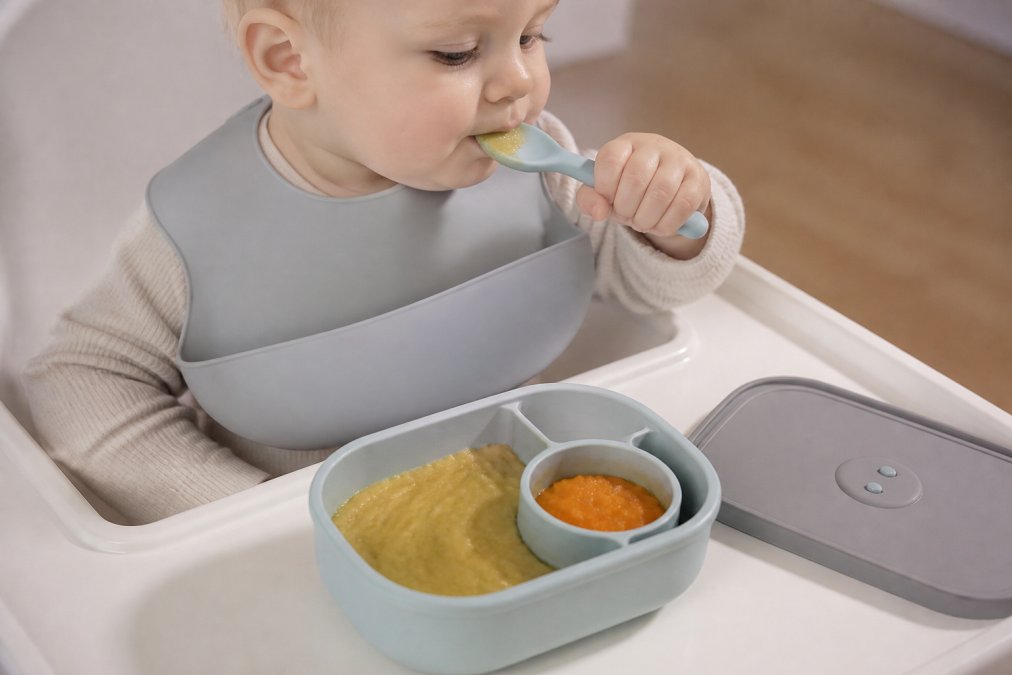
When choosing feeding products for your baby, the material matters significantly. Silicone vs plastic represents a fundamental choice between two materials with distinct safety profiles, durability, and environmental impacts.
Silicone is an inert polymer derived from silica, a naturally occurring compound found in sand. Unlike petroleum-based plastics, silicone doesn't break down into harmful microplastics or leach endocrine disruptors when exposed to heat or acidic foods. The key distinction lies in chemical reactivity: silicone remains stable across extreme temperature ranges (from freezer to oven), while many plastics soften or release compounds when warmed. This thermal stability is why food-grade silicone has become the preferred choice for parents prioritising safety during early feeding stages.
What Are Phthalate-Free Baby Spoons Made Of?
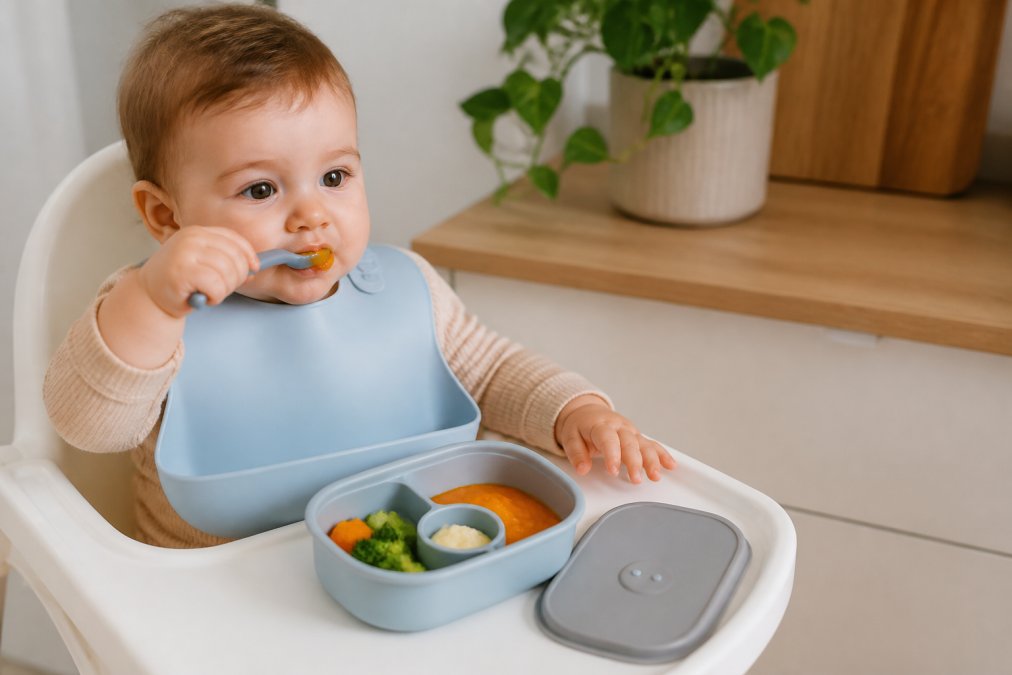
Phthalate-free baby spoons are crafted from food-grade silicone, a synthetic rubber containing no harmful plasticisers or endocrine disruptors. This material is hypoallergenic, soft on developing gums, and designed for everyday contact with infant food.
Food-grade silicone undergoes rigorous safety testing to meet international standards for non-toxicity. The material withstands extreme temperature changes without melting, cracking, or releasing toxic fumes, whether meals come from the freezer or microwave.
Phthalates are chemicals historically used in conventional plastics to increase flexibility and can leach into food, particularly acidic or fatty foods ([EXTERNAL_LINK: information on phthalates from the Agency for Toxic Substances and Disease Registry | atsdr.cdc.gov]). By choosing phthalate-free silicone spoons, you eliminate this risk entirely. The material is also free from BPA and PVC. Silicone resists staining and odour absorption far better than plastic alternatives, maintaining its appearance after months of regular use, including dishwasher cycles and microwave heating.
Benefits of Food-Grade Silicone for Babies
Food-grade silicone offers distinct advantages for your baby's feeding journey. The material's non-toxic nature means you can confidently use it from your baby's first solid foods without concern about chemical leaching.
Thermal stability simplifies daily routines: you can sterilise silicone feeding sets in boiling water, reheat food in the microwave, or store meals in the freezer without worrying about material degradation. The softness of silicone is particularly beneficial for teething babies and those with sensitive gag reflexes, flexing gently against developing gums and palates.
Silicone's resistance to staining and odour absorption keeps feeding sets looking fresh over extended use, while its durability means your investment lasts through multiple children. Unlike plastic, which becomes brittle and prone to breaking, quality silicone feeding sets remain flexible and intact for years.
How to Clean Silicone Baby Feeding Sets
Cleaning silicone baby feeding products is straightforward. The material's non-porous surface resists food particles and bacteria adhesion, so basic washing removes debris effectively.
For daily cleaning, rinse silicone items under warm water with mild dishwashing detergent and a soft cloth. Silicone feeding sets are fully dishwasher safe, place items on the top rack. For thorough sterilisation, boil silicone feeding products in water for 5-10 minutes; the material's thermal stability means it won't warp or degrade.
Never use bleach on silicone, as this can cause discolouration. If staining occurs, soak items in white vinegar for several hours, then rinse thoroughly. Store silicone products in a cool, dry location away from direct sunlight.
Choosing between materials for your baby's feeding products ultimately comes down to prioritising safety and durability. At Bub and Co, we've designed our silicone feeding sets, including the Pagi Kids Feeding Set ($39.95) and Sun Bowl with Lid ($20.00), to eliminate chemical exposure risks associated with plastic whilst delivering the ease of cleaning and long-term durability parents need. Our food-grade silicone products are free from BPA, PVC, and phthalates, withstand extreme temperature changes without leaching, and resist staining and odour absorption. Start your baby's feeding journey with products designed for their safety and your peace of mind. Shop Feeding Sets today.


Frequently Asked Questions
Is silicone or plastic healthier for baby feeding?
Silicone is generally considered safer for baby feeding. Food-grade silicone is free from BPA, phthalates, and PVC, chemicals found in some plastics that can leach into food, especially when heated. Silicone remains inert and doesn't release toxins during normal use or in the microwave. Plastic products vary widely in safety depending on their type and age; older plastic items are more likely to leach harmful chemicals. For peace of mind during feeding, silicone is the more reliable choice.
Does silicone break down into microplastics like plastic does?
No. Silicone is not a plastic; it's a synthetic polymer made from silica (found in sand) bonded with carbon and hydrogen. Unlike petroleum-based plastics, silicone doesn't fragment into microplastics during normal use or degradation. When silicone eventually breaks down in a landfill, it converts back into harmless components.
This article was written using GrandRanker
Leave a comment